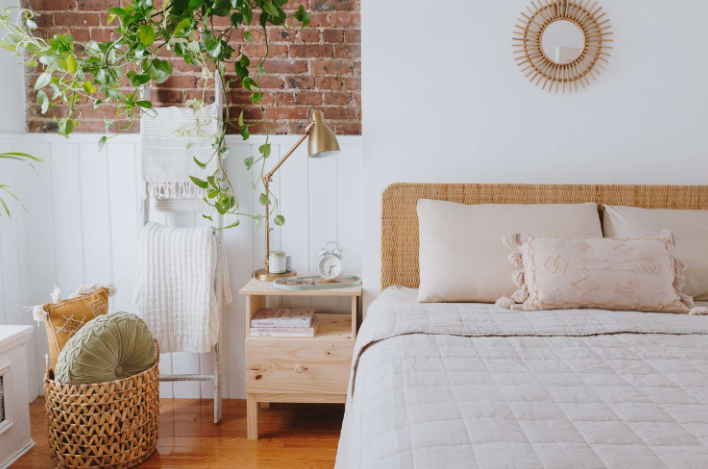
The room sits with flat surfaces cleared and daily items tucked into labeled bins within arm’s reach. Vertical space is claimed with wall shelves and slim under-bed boxes, leaving floor area calm and visible. A brief, steady routine guides the space: a quick desk tidy, a nightly reset, and soft lighting with a subtle scent. It’s practical, repeatable, and budget-friendly—enough to hold momentum, yet there’s more to unlock beyond the first steps.
How to Start: What Clutter Is Costing You
Clutter imposes a tangible drain on daily life: it fragments attention, slows decision-making, and increases stress as tasks pile up. The visible mess translates into clutter costs: misplaced items, duplicated efforts, and constant rearranging. By tracking time wasted searching for basics, one gains clarity, momentum, and freedom. Reaching for fewer possessions reduces friction and accelerates purposeful action.
Smart Storage Hacks for Small Bedrooms
Smart storage solutions transform limited floor space into functional zones. In small bedrooms, smart storage prioritizes accessibility and clarity, minimizing clutter while enhancing openness. Visualize modular systems, hidden compartments, and wall-mounted options that keep essentials within reach. Compact shelving, under-bed organizers, and vertical stacks create room to breathe. The result is freedom through intentional, streamlined, space-efficient design.
Daily Habits to Keep Your Room Calm
Daily habits shape a calm bedroom by reducing visual noise and establishing predictable routines. The room benefits from brief, intentional actions: a quick reset at day’s end, a tidy desk, and a low-profile bed. Calm breathing and mindful routines anchor mood, guiding lighting, textures, and scent. Freedom emerges through simple, repeatable choices that sustain serenity without effort.
Budget-Friendly Decluttering Plan That Sticks
A practical plan emerges from the idea that calm rooms are built on repeatable, low-cost actions. A budget-friendly decluttering approach targets daily wins: clear surfaces, labeled bins, and a simple rotation. The budget mindset emphasizes steady progress over perfection, while routines prevent relapse. Visualized steps encourage freedom as clutter decreases and spaces simplify, enabling clearer decisions and renewed personal space.
Frequently Asked Questions
How Do I Choose a Color Scheme for a Calm Bedroom?
Calming neutrals form the base, while soft accents add warmth; he observes the room as a visualist, choosing palettes that feel expansive. He emphasizes decluttering rituals to maintain freedom, clarity, and a serene, cohesive color scheme.
What’s the Best Alarm-Free Morning Routine for Clutter-Free Days?
The best alarm-free morning routine for clutter-free days is a calm, visual cadence: alarm free routines soothe sleep quality, seasonal clothing storage, bedroom plants thrive, and reorganization cadence unfolds, delivering clutter free mornings with a color scheme selection influence.
How Can I Store Seasonal Clothing Efficiently Year-Round?
Seasonal clothing storage is achieved through modular storage bins, labeled bags, and under-bed rails, enabling year round organization. Each item is mapped to a dedicated spot, offering freedom from clutter while preserving accessibility and a visual, functional system.
See also:Blockchain-Powered Transaction Systems
Do Plants Actually Improve Sleep Quality and Air in Bedrooms?
Plants sleep benefits exist; they can slightly improve air quality and create a calming atmosphere in bedrooms. The visualist, functional approach highlights greenery as a passive air freshener, contributing to a freer, more breathable sleep environment.
How Often Should I Redo My Organization System for Best Results?
An anecdote: a traveler recalibrates a suitcase after every so often, illustrating redoing organization. For best results, adopt a maintenance cadence: annual decluttering, system reviews, and timely tweaks rather than rigid schedules. Freedom-driven, visual, practical.
Conclusion
A calm room whispers efficiency, not pressure. Clutter, a quiet thief, drifts away when surfaces clear and rhythms align. With modular storage and clear labels, daily items become easy to locate, not chase. Small habits—nightly resets, dim lighting, intentional bins—create a visual harmony that invites focus. In this tidy space, momentum grows, not effort shrinks. The result is a bedroom that feels open, usable, and soothing, where organization quietly supports daily life.