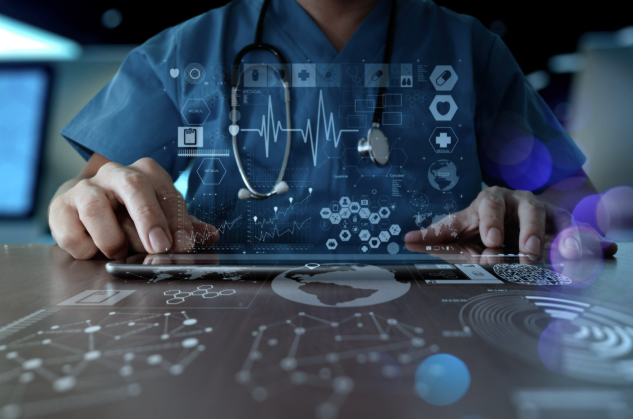
Technology is transforming healthcare services in profound ways. Telemedicine eliminates geographical barriers, granting immediate access to professionals. Wearable devices facilitate continuous health monitoring, promoting proactive engagement. Moreover, AI and data analytics enhance diagnostic accuracy and treatment personalization. This technological integration not only meets modern expectations but also reshapes patient care delivery. As these advancements unfold, the implications for the future of healthcare become increasingly significant. What does this mean for the healthcare landscape ahead?
Revolutionizing Patient Care With Telemedicine
As healthcare systems increasingly embrace technological advancements, telemedicine stands out as a transformative solution that enhances patient care.
Virtual consultations facilitate immediate access to healthcare professionals, breaking geographical barriers.
Additionally, remote monitoring enables continuous observation of patient health, ensuring timely interventions.
This innovative approach not only empowers patients but also promotes a more efficient and responsive healthcare environment, aligning with the desire for autonomy in health management.
The Role of Wearable Devices in Health Monitoring
Wearable devices have emerged as pivotal tools in health monitoring, providing real-time data that can significantly enhance patient outcomes.
These innovative technologies facilitate health tracking and fitness monitoring, empowering individuals to take charge of their well-being.
How Do AI and Data Analytics Enhance Diagnosis and Treatment?
While traditional diagnostic methods often rely on subjective assessments, the integration of artificial intelligence (AI) and data analytics has revolutionized how healthcare professionals approach patient diagnosis and treatment.
Predictive analytics enables early detection of diseases, while personalized medicine tailors treatments to individual genetic profiles. This data-driven approach enhances accuracy, reduces errors, and ultimately improves patient outcomes, fostering a more effective healthcare system.
See also: How Technology Is Improving Global Communication
Creating a Patient-Centered Experience Through Technology
To create a truly patient-centered experience, healthcare providers are increasingly leveraging technology to enhance communication and engagement between patients and their care teams.
Personalized communication through digital platforms fosters stronger relationships, while virtual consultations provide convenient access to care.
This integration of technology empowers patients, allowing them to participate actively in their health journeys and ultimately leading to improved satisfaction and outcomes.
Conclusion
In the intricate tapestry of modern healthcare, technology serves as both loom and thread, weaving together access, efficiency, and engagement. Telemedicine acts as a bridge, connecting patients and providers across vast distances, while wearable devices symbolize the empowerment of individuals in their health journeys. AI and data analytics, akin to skilled artisans, refine diagnostics and treatments. Together, these advancements create a patient-centered experience, transforming healthcare into a vibrant landscape where personalized care flourishes, illuminating paths to improved well-being.